7 Things a Credit Score Can Tell About Your Business
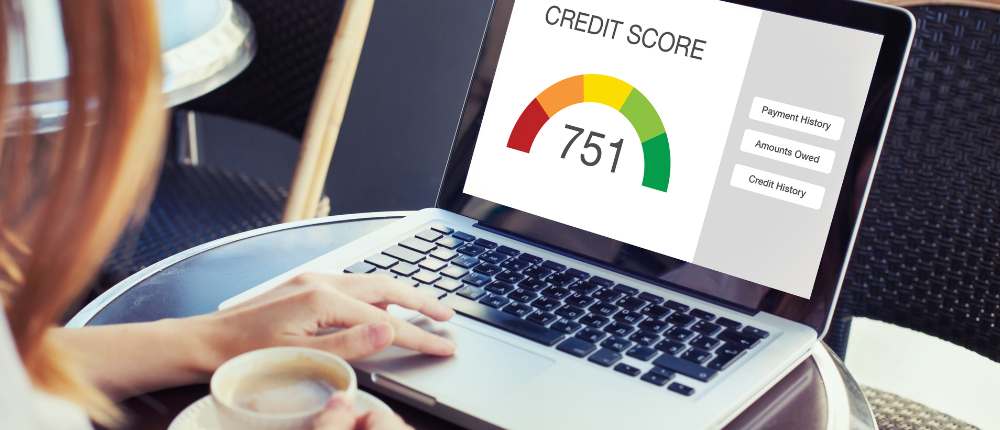
Similar to your personal credit score, your business credit score is a reflection of your financial habits to your partners and financial institutions. That’s why you must keep track of your credit score to ensure it serves your business well. After all, your credit score can either open doors for many opportunities or close them permanently. Learn what a credit score determines and how you can get in control.
Your Financial Reputation
Reputation and credit score go hand in hand in the business world. A credit score signals how reliable your business is to other parties. Failure to make payments on time, debts, and excessive use of credit lines may all negatively affect your score and raise red flags to your lenders and suppliers. A high score shows that you’re a responsible business owner who spends money wisely.
If your score starts to drop, it could mean there’s something wrong with your internal processes or perhaps you’re dealing with outdated data on your profile.
Your Access to Financing Services
Many small business owners are surprised to learn that a weak score can mean higher costs for everything from lines of credit to commercial leases. Lenders and banks always look at your business credit score before providing loans or calculating interest rates.
With a good rating, you can secure lower interest rates, larger loans, and longer payment durations, giving you freedom and flexibility. Regular credit monitoring helps you stay informed and in a better position to apply.
Early Red Flags of Identity Theft or Account Takeover
Security is one of the most underestimated advantages of credit monitoring. When someone opens a credit line or changes the information of your business without your knowledge, it can hurt your score and your business.
By using credit monitoring tools, you’ll receive alerts whenever suspicious activity happens. Notifications can assist you in detecting fraud or identity theft before it damages your business severely.
How Well You Manage Debt
Managing debt is stressful enough, but the right insights can make it easier. Do you have overdependence on a single source of credit? Are your balances reaching their credit limits? A credit score shows areas of improvement to achieve a better financial situation.
Credit monitoring will allow you to identify trends and increase your ratio of credit utilization. By knowing the impact of your credit behavior on your score, you’ll be able to make financially wiser choices.
Late Payments You Might Have Missed
Missing payments is not always your fault. It can be due to miscommunication, billing errors, or old contact information. But they still affect your credit score.
With credit monitoring, you can identify such problems at a very early stage. Once you notice an issue, you can dispute it, rectify the situation fast, save your good name, and retain your relationships with lenders.
How Suppliers and Insurers See Your Business
Banks aren’t the only ones who care about your credit score. Insurance companies and suppliers also use it to assess risk. If you have a low score, providers may want cash up front or refuse to give you favorable terms. Insurers may also charge you more for coverage.
Keeping an eye on your score can help you stay in a good negotiating position. You can also use this period to your advantage if you’re planning a huge purchase or are about to renew your insurance.
How Your Business Stacks Up Against Others
With some of the more advanced credit monitoring services, you can compare your score to those of other businesses in the same field or region. This information can help you figure out if your spending habits are similar to those of your competitors or if you’re behind.
If expansion or attracting new investors is the next stage for your business, having a clear picture of your market standing is essential. It can either inspire you to make some changes or keep the tempo as it is.
Why Free Tools May Not Be Enough
Free credit score checkers can be a good place to start, but they have limitations. Most free tools only give you information from one credit bureau, update information every few weeks, and don’t offer fraud alerts or in-depth credit history details.
And even worse, not all of them focus on your privacy. Third parties can share your business information or use it to market their products.
It’s a safer option to go with more premium credit monitoring tools, since they’ll keep your business data safe and offer additional services that free tools lack. For example, dark web scanning and breach detection are essential if you want to keep your business safe for a long time.
How to Establish and Build Business Credit
Achieving a good credit score can be a sensible goal for any business, big or small. Start developing a business credit history by registering your business legally and obtaining an employer identification number (EIN) through the IRS. Open business bank accounts, leases, utility services, and other accounts in the name of your business as opposed to your own.
Establishing business credit also means getting a business credit card and asking business suppliers to provide trade credit and then paying on time. To have these payments benefit your business credit score, you’ll have to deal with companies that report to business credit bureaus. Not everyone does them, but companies are often willing to do them on request.
You Can Be in Control
Just like with personal credit, your business credit score is an important factor in your financial success. The good news is that one mistake doesn’t have to determine all your credit history. Making timely payments to your creditors will further boost your credit score. In addition, using the right monitoring tools will help you to gain other insights for improvement. It will also bring you peace of mind to know that your business is not drowning in financial struggles.
***
Mark Dotsenko