
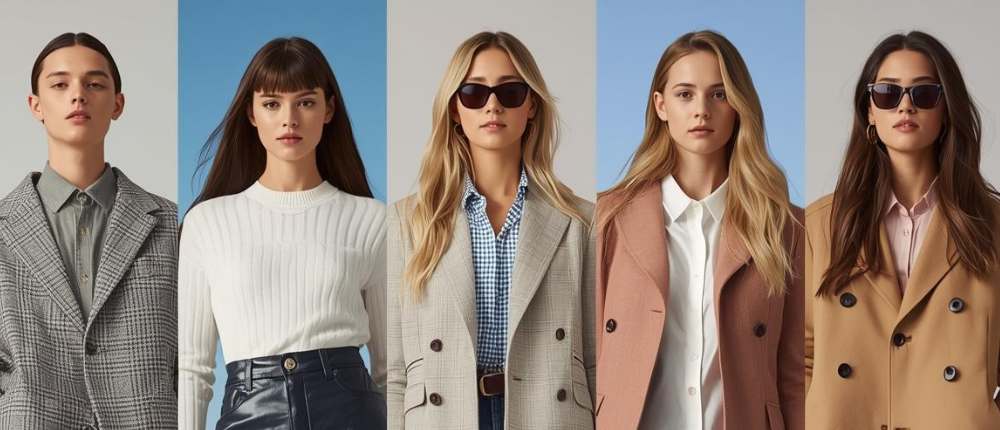
How AI Fashion Models Are Reshaping Online Retail
The fashion industry has always been quick to adopt new technologies, from the mechanization of textile production to the rise of e-commerce. Now, AI is revolutionizing yet another aspect of the business: product imagery. AI fashion models—digital avatars that showcase clothing and accessories—are transforming how brands present their products online, making high-quality visuals more accessible, scalable, and cost-effective than ever before.
For decades, retailers relied on traditional photoshoots involving models, photographers, stylists, and studio setups—a process that was both expensive and time-consuming. Today, AI-powered solutions allow brands to generate lifelike model imagery in seconds, eliminating many of the logistical and financial barriers that once limited smaller businesses. But beyond cost savings, AI fashion models are reshaping consumer expectations, enhancing inclusivity, and redefining the online shopping experience.
The Evolution of Fashion Imagery in E-Commerce
From Mannequins to Models
In the early days of online shopping, retailers often used flat lay images or mannequins to display clothing. While functional, these methods lacked the emotional appeal of seeing garments on real people. As e-commerce grew, brands invested in professional photoshoots to create aspirational, lifestyle-focused imagery.
However, traditional photoshoots came with challenges:
- High Costs: Hiring models, photographers, and stylists, along with studio rentals, made professional shoots a luxury for many brands.
- Limited Diversity: Casting a wide range of models to represent different body types, skin tones, and ages was often impractical.
- Slow Turnaround: Coordinating shoots, editing images, and updating listings took weeks, delaying product launches.
AI fashion models address these pain points by offering a faster, more flexible, and more inclusive alternative.
How AI Fashion Models Are Changing the Game
1. Cost Efficiency and Scalability
One of the most significant advantages of AI fashion models is their ability to reduce costs while maintaining high-quality visuals. Instead of organizing multiple photoshoots per season, brands can generate hundreds of images digitally, adjusting poses, backgrounds, and styles with just a few clicks.
This scalability is particularly beneficial for:
- Small and Medium Businesses: Independent designers and emerging brands can now compete with larger retailers without the budget for extensive photoshoots.
- Fast Fashion Brands: Companies that frequently update their inventory can produce new imagery almost instantly, keeping up with rapidly changing trends.
2. Greater Diversity and Inclusivity
Consumers today expect brands to represent a wide range of body types, ethnicities, and ages. Traditional photoshoots often fall short due to logistical constraints, but AI models can be customized to reflect any demographic.
For example, a single dress can be showcased on multiple AI models with different body shapes, skin tones, and hairstyles—something that would require multiple real-world models in a traditional shoot. This inclusivity not only resonates with shoppers but also helps brands build trust and loyalty.
3. Faster Time-to-Market
In the fast-paced world of e-commerce, speed is everything. AI-generated fashion imagery can be produced in minutes rather than weeks, allowing brands to:
- Launch new collections faster
- Test different styles and poses without reshoots
- Update product pages in real-time based on customer feedback
This agility is crucial for staying competitive in an industry where trends can shift overnight.
4. Enhanced Customer Experience
Online shoppers often hesitate to buy clothing because they can’t try it on. AI fashion models help bridge this gap by offering dynamic, interactive visuals that mimic real-life wear. Features like:
- 360-degree views
- Multiple poses (front, side, close-up)
- AI virtual try on clothes simulations
The Future of AI in Fashion Retail
As AI technology continues to evolve, its applications in fashion will expand even further. Some emerging trends include:
1. Hyper-Personalization
AI could soon allow shoppers to input their exact measurements and see how clothing would fit on a digital avatar resembling them. Some platforms are already experimenting with this, offering a more personalized shopping experience that rivals in-store try-ons.
2. AI-Generated Styling Recommendations
Beyond modeling, AI can analyze a customer’s preferences and suggest complete outfits, mixing and matching items from a brand’s catalog. This not only enhances the shopping experience but also increases average order value.
3. Sustainable Fashion Marketing
Traditional photoshoots have a significant environmental footprint—travel, sample waste, and energy consumption all add up. AI-generated imagery reduces this impact by eliminating the need for physical shoots, aligning with the growing demand for sustainable business practices.
A Practical Solution for Brands: Bandy AI
For retailers looking to integrate AI fashion models into their workflow, platforms like Bandy AI Fashion Model Studio offer a streamlined solution. This tool enables businesses to:
- Generate photorealistic model images in seconds
- Swap backgrounds, poses, and models with a single click
- Access a diverse library of AI avatars to match their brand identity
By leveraging such technology, brands can create professional, high-converting visuals without the traditional costs and delays of photoshoots.
Conclusion
AI fashion models are not just a passing trend—they represent a fundamental shift in how fashion is marketed and consumed online. By making professional imagery more affordable, inclusive, and scalable, this technology is leveling the playing field for brands of all sizes while enhancing the shopping experience for consumers.
As AI continues to advance, its role in fashion retail will only grow, offering even more innovative ways to showcase products and engage customers. The future of online shopping is here, and it’s being shaped by the digital models walking the virtual runway.
For brands ready to embrace this change, the tools are already available—it’s just a matter of taking the first step.
***
MD