Do You Really Need a Website for Your Northern Beaches Business?
It’s a fair question – especially now.
With Instagram, Facebook, and online directories doing so much of the heavy lifting, a lot of small business owners are wondering if a website is still worth it – or if it’s just another thing on the to-do list.
But here’s what made me stop this week.
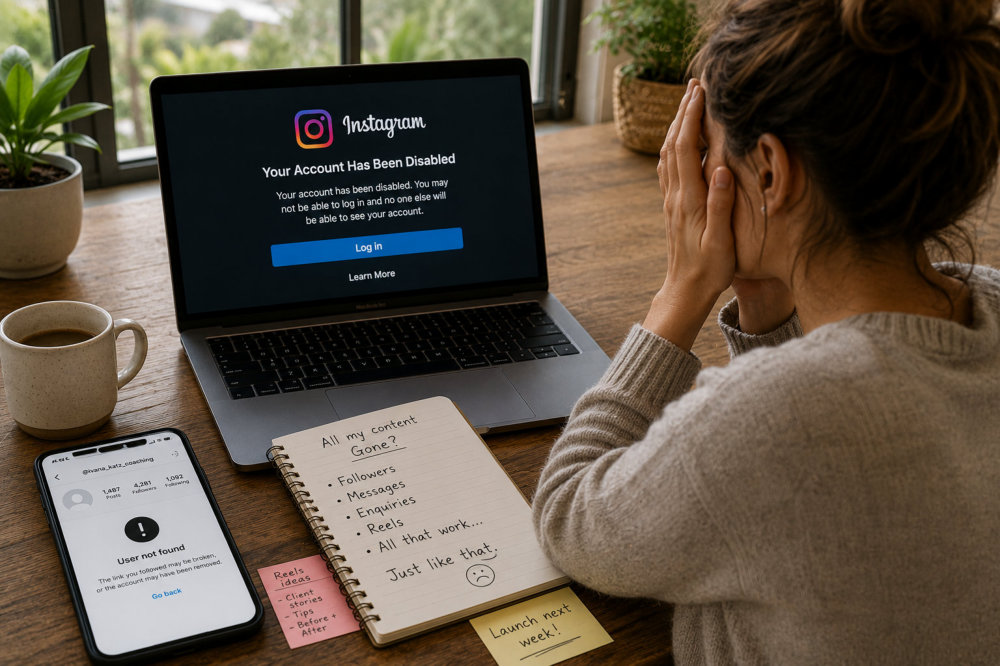
I saw three separate posts in a business Facebook group – all from business owners who had their Instagram accounts shut down. No warning, no explanation, and no clear way to get them back.
They were devastated. Not only did they lose their content, but that account was their business online. Their enquiries, their portfolio, their audience – all gone overnight.
And it raises a much more important question.
It’s not just “Do you need a website?”
It’s this:
What happens to your business if the platform you rely on disappears tomorrow?
Why Relying on Social Media Alone Is Risky
Social media can be a powerful tool – there’s no question about that.
It’s where people discover your business, see your work, and start to build a sense of who you are. For many small businesses, it’s also where the first enquiries come from.
But it’s important to understand one thing.
You don’t own any of it.
Your Instagram account, your followers, your content – all of it sits on a platform you don’t control. And as those business owners discovered this week, that can change very quickly.
Accounts get flagged, hacked, restricted, or shut down. Algorithms change. Reach drops. Features disappear.
And when that happens, there’s very little you can do about it.
If your entire online presence is built on a platform like Instagram or Facebook, your business is exposed to risks you can’t control – and often can’t fix.
That doesn’t mean you shouldn’t use social media.
It just means it shouldn’t be the only place your business exists online.

Website Designer Ivana Katz
If you’re ready to stop overthinking your website and just get it done properly, that’s where I can help.
I work with small business owners across Sydney’s Northern Beaches and beyond, creating websites that reflect your business clearly and give you something you feel confident sharing.
If you’d like to see how this could work for your business, you can explore the options and next steps on the website design Northern Beaches page.
Or if you prefer to talk it through, book a free website strategy call with me.
What a Website Actually Gives You That Social Media Can’t
This is where things start to shift.
A website isn’t just another place to “exist” online – it’s the one place you fully control. No algorithms, no sudden shutdowns, no competing distractions pulling people away from what you do. It becomes the central place where everything connects – your services, your content, your enquiries, and your credibility. A website also works alongside tools like Google Business Profile to help businesses establish a stronger online presence.
When someone hears about your business and looks you up, they’re not just checking if you exist. They’re deciding if you feel established, trustworthy, and worth contacting.
And that’s very different from scrolling past a post on social media.
A well-structured website allows you to clearly explain what you do, who you work with, and how someone can take the next step. It gives you space to guide people properly, instead of hoping they piece things together from a few posts.
If you’ve ever wondered what that structure actually looks like, this guide on what pages a small business website needs breaks it down in a practical way.
It also gives you a stable foundation to build on. Whether you’re investing in SEO, creating content, or sending people somewhere from social media, everything points back to one place that you own.
And if you’re curious what that looks like in practice, you can see real examples from local businesses in this Northern Beaches website design portfolio.
A website doesn’t replace social media – it strengthens it by giving it somewhere meaningful to lead.
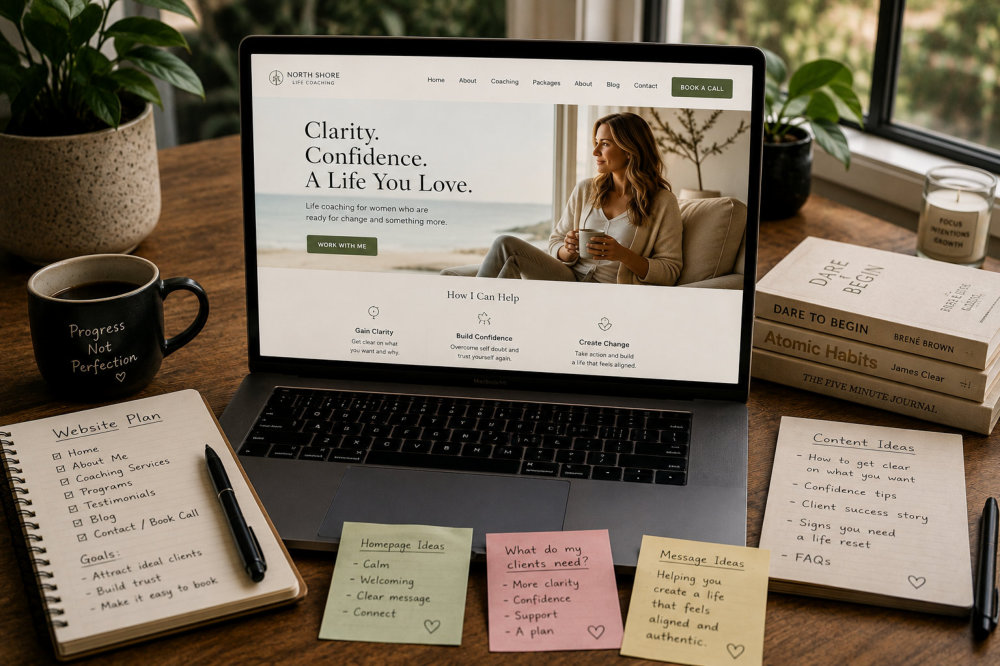
When a Website Actually Makes the Biggest Difference
Not every business needs a complex website straight away – but most businesses benefit from having something solid in place that represents them properly online. The difference becomes clear when potential clients are trying to understand what you do before they reach out. If they can’t quickly find clear, structured information about your services, they’re far more likely to move on to someone else who makes it easier.
For service-based businesses on the Northern Beaches – whether you’re a consultant, tradie, coach, or run a local service – your website becomes the place where people decide if you feel like the right fit. It’s where they check what you offer, compare you to others, and look for signals that you’re credible, established, and easy to work with. That decision is rarely made on social media alone.
It also becomes more important as your business grows. Relying purely on referrals or social media might work for a while, but it’s unpredictable and difficult to scale. A website gives you something stable to build on – a place where everything connects, from your services through to your content and enquiries.
If you’re starting to think about what that investment looks like, this breakdown of website design costs on the Northern Beaches gives you a clear and realistic starting point. The goal isn’t complexity – it’s clarity. A website doesn’t need to do everything, but it does need to represent your business properly and make it easy for people to take the next step.
When You Might Think You Don’t Need a Website
There are situations where business owners feel like they don’t need a website – and on the surface, it can make sense.
If you’re fully booked through referrals, getting steady work from word of mouth, or picking up clients through social media, it’s easy to think a website isn’t a priority. After all, if the work is coming in, why add something else to your plate?
But this is where it gets interesting.
Even when you’re busy, a website doesn’t just help you get more work – it helps you manage the work you already have. It can answer common questions, filter enquiries, and give potential clients clarity before they even contact you. Instead of going back and forth explaining the same things, your website does that for you.
It also changes how people perceive your business.
Whether we like it or not, people expect a business to have a website. It’s become a basic credibility check – much like having a phone number or an email address. If someone can’t find a proper website, it can create doubt, even if your work is excellent.
Relying only on social media or third-party platforms puts you in a position where your business feels less established and more dependent on something you don’t control. And as soon as something changes – whether that’s an algorithm, a platform issue, or simply a shift in how people search – you’re exposed.
So while you might be able to get by without a website for a period of time, most businesses reach a point where it’s no longer about “needing more work” – it’s about creating something more stable, more professional, and easier to manage.
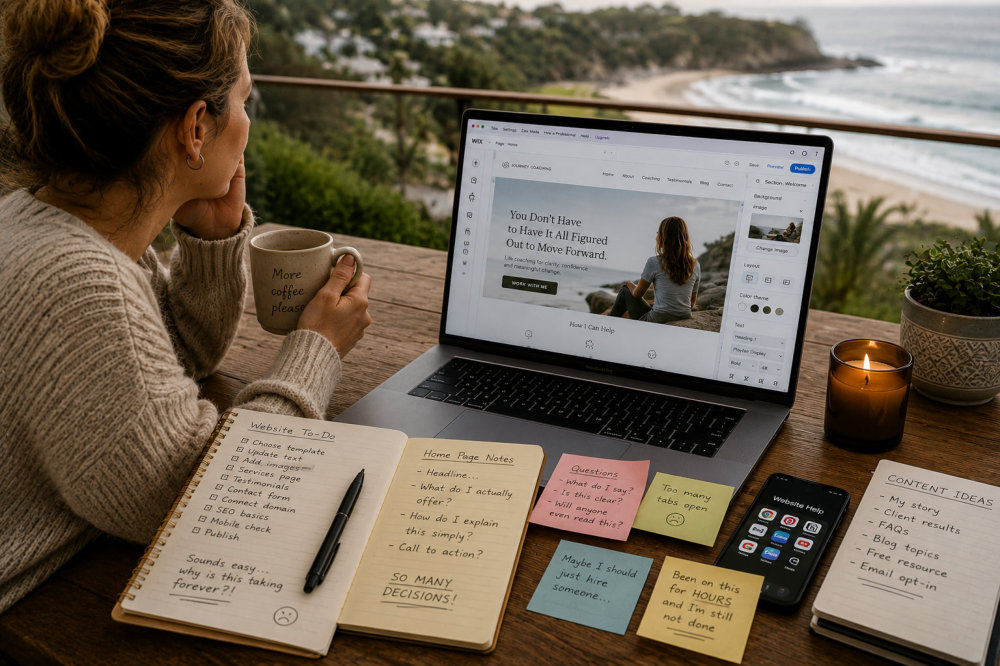
DIY vs Hiring Someone – What Most People Don’t Expect
Once you reach that point, the next decision is usually whether to build a website yourself or hire someone to do it. On the surface, DIY can seem like the obvious choice – especially with so many tools available that promise quick and easy results.
And to be fair, DIY can work if you have the time, patience, and willingness to learn. The part most people underestimate is not the tools – it’s everything around them. Deciding what to say, how to structure your pages, how to guide someone through your site, and how to make it feel clear and professional takes far more time and thought than expected.
That’s why so many DIY websites stall, get delayed, or end up feeling unfinished. It’s not a lack of effort – it’s the complexity of trying to make all the pieces come together without a clear process.
Working with a designer isn’t just about getting a better-looking result. It’s about having someone guide the process, simplify decisions, and help you move from “I should really do this” to actually having a website that’s live and working for your business. If you’re weighing up both options, this guide on DIY vs professional website design explains what tends to work best in practice.
Ready to Create a Website You’re Proud to Share?
If you’ve realised your business needs something more stable than social media alone, the next step is simple.
We’ll talk through what you need, what will actually work for your business, and how to bring it together into a website that feels clear, professional, and easy to share.
Frequently Asked Questions
Do you really need a website for your Northern Beaches business?
In most cases, yes. From what I see, even businesses that rely on referrals or social media still get looked up before someone makes contact. Your website becomes your central point of credibility – it shows you’re established, explains what you do clearly, and gives potential clients confidence to take the next step.
Is social media enough to run your business without a website?
Social media can help people discover your business, but it’s not something you control. I’ve seen accounts restricted, reach drop, and content become difficult for people to navigate. A website gives you a stable place where everything is clear, structured, and easy for potential clients to understand.
If your business is already fully booked, do you still need a website?
Even when a business is fully booked, I still recommend having a website. It can save you time by answering common questions, filtering enquiries, and setting expectations before people get in touch. It also strengthens your credibility and gives you something stable to rely on if your situation changes.
What’s the minimum your website should include?
At a minimum, I usually recommend a home page, services, about page, and contact page. Depending on your business, you might also need testimonials, a gallery, or more detailed service pages. The goal is always to make it easy for someone to understand what you do and how to work with you.
How much should you expect to spend on a website?
The cost depends on how much your website needs to do, but most small business websites fall within a realistic range. The number of pages, the level of content, and any added functionality all influence the final price. I find that once people understand what’s involved, the pricing makes much more sense.
Should you build your own website or hire someone?
You can build your own website if you have the time and patience to learn, but most business owners underestimate how long it takes and how many decisions are involved. From what I’ve seen, working with a designer makes the process far smoother and helps ensure the website is actually finished and ready to use.