
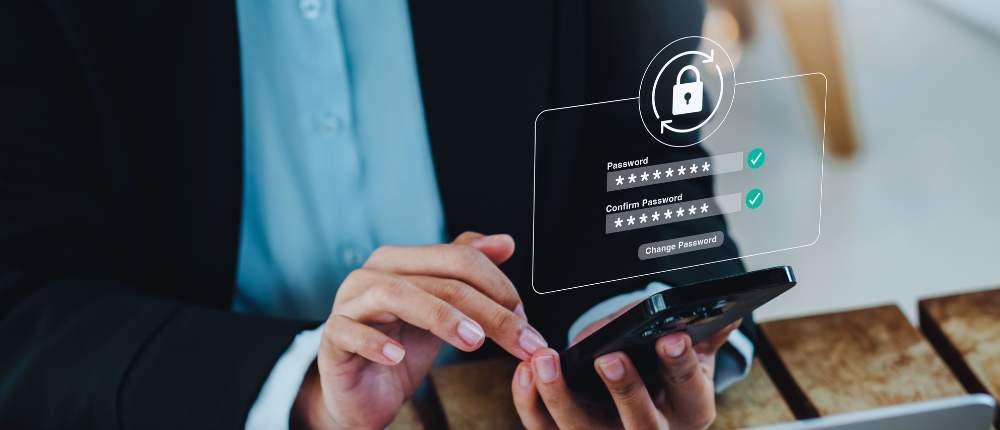
Why Online Security is Crucial for Small Businesses
Small businesses are trapped in a game of digital cat and mouse, as cyber villains sharpen their claws and new threats emerge daily. Many small business owners mistakenly believe they’re less vulnerable than larger corporations, assuming that cybercriminals focus on big players with bigger budgets. However, this misconception couldn’t be further from the truth. Cybercriminals are constantly on the lookout for their next mark, and small businesses often fit the bill – sadly, they’re just easier to breach due to limited security muscle. A 2022 report from the Small Business Administration revealed that nearly 43% of all cyberattacks target small businesses. A striking figure emerges: small businesses of all shapes and sizes are at risk, and the budget doesn’t matter – cybersecurity is a must.
Understanding Cybersecurity Risks for Small Businesses
Small businesses, due to their limited budgets and minimal IT resources, often lack the advanced security systems that larger companies can afford. Cybercriminals know how to find the soft spots in smaller organizations, and they don’t hesitate to attack using phishing scams, ransomware, and data breaches. It’s estimated that over 60% of small businesses that experience a cyberattack will shut down within six months, according to the National Cyber Security Alliance . Small businesses risk being financially ruined and irreparably tarnished if they fail to prioritize cybersecurity.
Common Cybersecurity Threats for Small Businesses
Understanding the types of cyber threats that can impact your business is essential to creating a strong security foundation. Here are some of the most common threats:
- Phishing Attacks: Cybercriminals often use phishing to trick employees into revealing sensitive information, such as passwords or financial data. Phishing scams are frequently sent via email and can appear legitimate to an untrained eye.
- Ransomware: Ransomware is a form of malware that encrypts a business’s data and demands payment for its release. Unfortunately, paying the ransom doesn’t guarantee that the data will be restored or won’t be stolen.
- Data Breaches: Invading a company’s data coffers can lead to some hefty consequences: lost trust with customers and a sea of red tape from lawyers. Small businesses holding sensitive customer or financial information are especially vulnerable.
- Malware and Viruses: These malicious software programs can infiltrate systems to steal information, disrupt business operations, or even shut down entire networks.
- Insider Threats: Employees, contractors, or even business partners can pose risks, whether due to negligence or intentional actions. Insider threats can be challenging to detect and often go unnoticed until significant damage has been done.
Why Cybersecurity Matters for Small Businesses?
To understand the scale of the problem, it is enough to look at the potential volume of phishing. Today, they are estimated at 3.2 billion phishing emails per day. This is approximately 1.2% of all emails. That is, out of 1000 emails in the mailbox, 12 will be phishing.
All experts say, don’t click on malicious links, but the problem is that we often do not know which of them is phishing. But we can handle phishing safely and here we need some knowledge. This concerns what to do when you click on a suspicious link on the phone. By the way, the guys from VeePN have a whole guide for those who accidentally clicked on a spam link.
- Financial Protection: Cybersecurity incidents can result in significant financial losses. A 2022 study by IBM Security found that the average cost of a data breach for a small business was approximately $3.86 million. Small businesses often find themselves swamped by these expenses, which can lead to a one-way ticket to bankruptcy.
- Protection of Customer Trust: Customers today are more aware of data privacy than ever before. A survey by Deloitte showed that 59% of consumers would not engage with a company after a data breach. One tiny crack in their defenses is all it takes for small businesses to suffer a credibility crash, losing the loyalty of their customers in the process.
- Legal Compliance: Various regulations, such as the General Data Protection Regulation (GDPR) in the EU or the California Consumer Privacy Act (CCPA), have strict requirements for data protection. One wrong move and a small business could be on the hook for major fines, a worry that’s always lurking.
- Competitive Advantage: Having strong cybersecurity measures in place can serve as a competitive advantage. Customers are more likely to choose businesses they perceive as safe and responsible. In a business landscape where just one mistake can be costly, prioritizing cybersecurity sends a clear message: your small business is committed to protecting its customers, no matter what.
Actionable Steps for Strengthening Cybersecurity
There are not many steps to take to combat cyber threats for small businesses, and they are all designed for entry-level or mid-level users at most.
Even a beginner can install the same Chrome VPN, as it only takes a couple of clicks. There is no excuse to remain at risk and do nothing.
- Employee Training and Awareness: The right instruction can clarify expectations, build confidence, and ultimately lead to standout performance. Get everyone on the same page, and your company will reap the benefits. Employees are often the first line of defense. Regularly quizzing your team on cyber smarts can go a long way in keeping phishing emails and sketchy links at bay, not to mention smart password habits. Even a quarterly, 30-minute training session can drastically reduce the likelihood of successful attacks.
- Implement Strong Password Policies: Require employees to use complex passwords that combine uppercase and lowercase letters, numbers, and special characters. Encourage the use of password managers, which generate and store secure passwords. A survey by LastPass found that 81% of data breaches were due to weak or reused passwords, making this a critical step.
- Use Multi-Factor Authentication (MFA): MFA adds an extra layer of security by requiring users to provide additional verification beyond a password. For example, users might need to enter a code sent to their phone or use biometric authentication. According to Microsoft, enabling MFA can prevent up to 99.9% of account compromise attacks.
- Keep Software and Systems Updated: Regularly updating software and systems helps protect against vulnerabilities that cybercriminals can exploit. You’re an open book to cybercriminals if you’re running outdated software with known security holes – update now and lock the door. Don’t risk falling behind – turn on automatic updates for real-time protection.
- Invest in a Firewall and Antivirus Software: Firewalls act as barriers between trusted internal networks and untrusted external networks, preventing unauthorized access. Top-tier antivirus software catches and Deletes malware, no problem. When it’s absolutely necessary to keep cyber attacks out, this arsenal of tools gets the job done.
- Secure Your Wi-Fi Network: Ensure your business’s Wi-Fi network is encrypted and protected with a strong password. Avoid using public Wi-Fi for business purposes, as these networks are often unprotected and vulnerable to attacks. Or at least use VeePN when connecting to such hotspots to encrypt your data. Additionally, consider setting up a separate network for customers if you provide Wi-Fi in your business location.
- Regular Data Backups: Regularly backing up data to secure, off-site locations can protect your business in case of a ransomware attack or other data loss events. The Cybersecurity and Infrastructure Security Agency (CISA) recommends implementing a 3-2-1 backup strategy: three total copies of data, stored in two different types of storage media, with one copy kept off-site.
- Develop a Response Plan: A well-designed incident response plan can help minimize damage in the event of a cyberattack. Your data breach plan should consist of four crucial elements: discovery, containment, notification, and restoration – in that order, and with great urgency. When disaster strikes, being ready with a plan can save your business from going dark and shield your good name from damage.
- Work with Cybersecurity Experts: Small businesses often lack dedicated IT departments, making it challenging to stay on top of cybersecurity. Partnering with a cybersecurity firm or consultant can help identify vulnerabilities and implement best practices tailored to your business needs.
Cybersecurity on a Budget: Tips for Small Businesses
Small businesses often struggle to allocate large budgets for cybersecurity, but even modest investments can make a significant difference. Here are some cost-effective measures:
- Leverage Free Cybersecurity Resources: Many organizations, like the Federal Trade Commission (FTC) and CISA, offer free cybersecurity resources, guides, and training specifically designed for small businesses.
- Adopt Open-Source Security Tools: Several high-quality open-source security tools, like ClamAV for antivirus or OpenVPN for virtual private networks (VPNs), are available free of charge.
- Use Cloud-Based Security Solutions: Many cloud-based solutions include built-in security measures and cost less than traditional on-premises solutions. Companies like Microsoft and Google offer affordable packages with security features that small businesses can easily implement.
Conclusion
In this digital rollercoaster, small businesses are stuck between the highs of unbridled exposure and the lows of costly mistakes – but with a clear head and savvy instincts, they can turn the odds in their favor. With cyber threats mushrooming daily, small businesses can’t afford to stick their heads in the sand – it’s time to get serious about security. As a business owner, your top priority should be fortifying your defenses against cybercrime – a task that involves empowering your staff with knowledge, integrating robust security tools, and relying on seasoned experts to lend a hand. When you prioritize cybersecurity, you’re doing more than just protecting your files – you’re building a fortress around your company’s future. A robust digital security strategy is more than just a must-have for small businesses – it’s a badge of honor that screams “we’re committed to our customers” and sets them up for a strong, stable future.
***
Emily Larkin