
How Local Specialty Retailers Win on Experience, Not Scale
The retail landscape has never been more polarised. On one end, global ecommerce platforms offer limitless selection, aggressive pricing and next-day delivery. On the other, independent specialty retailers are holding their ground with something no algorithm can replicate: a deeply personal customer experience.
For Australian SME owners watching the dominance of marketplace giants, the instinct might be to compete on price or range. That is a losing game. The retailers thriving in this environment are not trying to out-scale Amazon. They are out-serving it.
Consumer expectations have shifted in the wake of the pandemic. Shoppers are not just buying products. They are choosing where to spend based on trust, expertise and the feeling they get when they walk through the door or land on a website. For small retailers willing to lean into that shift, the opportunity is significant.
This piece examines how local specialty businesses are winning through premium positioning, emotional connection and smart digital visibility. The principles apply across categories, from luxury goods to food retail and everything in between.
Premium Positioning and Local Trust
In a market flooded with generic options, the most resilient small retailers are those who have staked a clear position. They do not try to be everything to everyone. Instead, they become the undisputed local authority in a well-defined niche.
Premium positioning is not about charging more for the same thing. It is about delivering a level of service, knowledge and presentation that justifies a higher price point. When a customer walks into a specialist retailer and is greeted by someone who genuinely understands the product, the experience immediately separates that business from any online comparison.
This is especially visible in high-consideration categories. A customer purchasing fine jewellery, for example, is not simply buying an object. They are buying confidence in the craftsmanship, trust in the source and reassurance that they are making the right decision.
A jewellery store Armadale local has spent decades building exactly that kind of trust within its community, offering expertise and personal service that no product listing page can match.
Reputation in these categories is built slowly and lost quickly. Local retailers who invest in staff training, visual merchandising and consistent brand presentation create an environment that signals quality before a word is spoken. The shop floor becomes a trust signal in itself.
Community connection amplifies this further. When a business sponsors a local event, partners with nearby operators or simply becomes a familiar name in the neighbourhood, it builds a layer of brand equity that national chains struggle to replicate. This is not sentimentality. It is a measurable competitive advantage rooted in proximity and familiarity.
For SME owners, the strategic takeaway is clear. Competing on price against larger operators erodes margins and attracts disloyal customers. Competing on positioning, expertise and trust attracts customers who return, refer and spend more over time.
Selling Emotion, Not Just Products
The most commercially astute specialty retailers understand something fundamental about consumer behaviour. People do not buy products. They buy outcomes, memories and feelings. The businesses that align their offering with those emotional drivers unlock a level of customer loyalty that transactional retailers rarely achieve.
This is particularly true in categories tied to milestones and celebrations. Birthdays, anniversaries, graduations and personal achievements all carry emotional weight. The retailer who positions their product within that emotional context is no longer competing on specifications or price. They are competing on meaning.
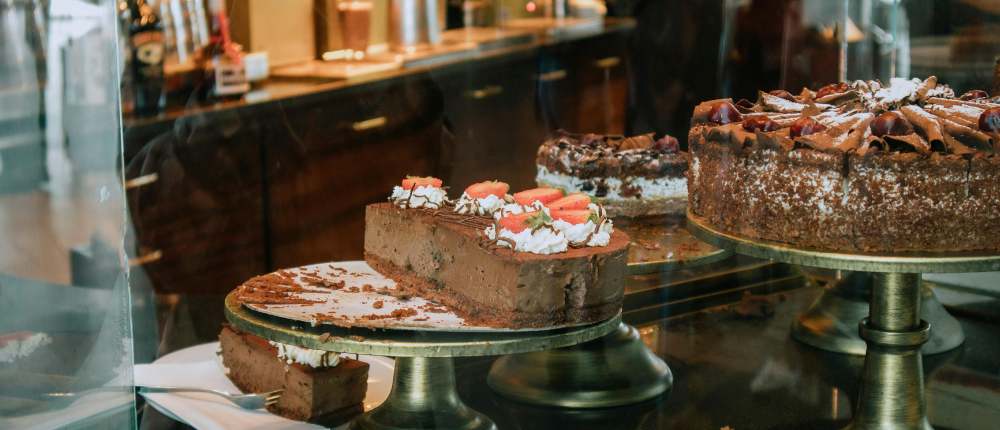
Consider the celebration category. A parent searching for birthday cakes is not making a commodity purchase. They are investing in a moment. The design, the presentation, the ability to customize and the reliability of delivery all contribute to whether that moment lands.
Specialist bakers who understand this dynamic build repeat business naturally because life keeps producing occasions worth marking.
This is where customer lifetime value becomes a powerful lens for small retailers. A single birthday cake order might represent modest revenue. But a family that returns every year for birthdays, then adds Christmas, then refers to three friends, represents a compounding asset. The initial transaction was never the point. The relationship was.
Word-of-mouth growth in these categories is disproportionately strong. When a product is tied to a personal milestone, the customer becomes an advocate by default. Photos are shared. Recommendations are offered unprompted. The product becomes part of the story, and the brand travels with it.
For SME operators, this principle extends well beyond food and celebrations. Any business that can identify the emotional trigger behind a purchase and design the experience around that trigger will outperform competitors who treat the same transaction as purely functional.
Digital Visibility for Physical Retailers
None of the above matters if customers cannot find you. For local specialty retailers, digital visibility is not optional. It is the bridge between reputation and revenue.
The most overlooked opportunity for bricks-and-mortar SMEs is local search. When a consumer searches for a product or service in their area, Google prioritises businesses with strong local signals.
A well-maintained Google Business Profile with accurate hours, high-quality images, recent reviews and consistent contact information can be the difference between being discovered and being invisible.
Reviews deserve particular attention. For specialty retailers, every five-star review is a trust signal that compounds over time. Encouraging satisfied customers to leave feedback is not vanity. It is a strategic asset that influences both search rankings and buyer confidence.
Beyond the Google profile, a clean and purposeful website remains essential. It does not need to be complex. It needs to load quickly, communicate what the business does, present the product range clearly and make it easy to take the next step. Too many small retailers either neglect their site entirely or overload it with information that obscures the core offering.
Understanding why local SEO matters is a critical first step for any physical retailer looking to grow. The principles are straightforward, but the execution requires consistency. Regular profile updates, fresh imagery and prompt responses to reviews all contribute to stronger local rankings.
Social media plays a supporting role here as well. Platforms like Instagram are particularly effective for visually driven retail categories. But the goal should not be vanity metrics. The goal is to drive qualified local traffic, either to the website or through the door. Every post should serve that commercial objective.
What SMEs Can Learn
The retailers winning in this environment share a set of common disciplines. None of them are expensive to implement. All of them require intentional effort.
First, they invest in trust signals. That means consistent branding, professional presentation, visible reviews and clear communication. A customer should be able to assess credibility within seconds of encountering the business, whether online or in person.
Second, they treat presentation as a revenue driver, not a cost centre. Product photography, packaging, store layout and website design all influence whether a customer perceives value. Small upgrades in presentation often yield disproportionate returns in conversion and average order value.
Third, they leverage the story. Every specialty retailer has a narrative. The founder’s background, the sourcing philosophy, the reason the business exists. Customers in 2026 respond to transparency and authenticity. Sharing that story across every touchpoint builds emotional connection that reinforces loyalty.
Fourth, they build around repeat moments. The smartest SME operators map the calendar and identify every occasion that could trigger a purchase. They then build systems to stay visible during those windows, whether through email reminders, seasonal promotions or targeted social content.
These are not radical strategies. They are the fundamentals of experience-led retail, executed with discipline and consistency.
Competing Through Identity and Experience
Australian specialty retailers are not at a disadvantage because of their size. In many cases, their size is the advantage. It allows for personalisation that large chains cannot deliver. It enables faster decision-making, closer customer relationships and a level of care that is visible in every interaction.
The businesses that will thrive in the coming years are not the ones with the biggest budgets. They are the ones with the clearest identity and the most intentional customer experience. They know who they serve, why they exist and what makes walking through their door worth the trip.
Scale is not the goal. Resonance is.
***
RES